
Fukuoka kicks off the race for Olympic 2028 berth: Japan and the pressure of the dominant
core_answer: Giải vô địch bóng chuyền nam châu Á 2025 khởi tranh tại Fukuoka, Nhật Bản, đồng thời là vòng loại Olympic Los Angeles 2028. Nhật Bản là ứng viên vô địch hàng đầu với thứ hạng FIVB thứ 6 và thành tích 10 lần vô địch châu Á.
key_facts: Nhật Bản đứng thứ 6 FIVB, cao nhất trong các đội AVC.; Nhật Bản giữ kỷ lục 10 HCV, 4 HCB, 4 HCĐ tại giải châu Á.; Nhật Bản là đội AVC duy nhất vô địch Olympic (Munich 1972).; Nhật Bản xếp thứ 4 tại VNL 2025.; Bảng A gồm Nhật Bản, Bahrain, Oman và Australia.
source: Phân tích kỹ thuật từ tài liệu gốc | Cross-checked: VuaBong.vn
related_qa: q: Nhật Bản có phải đội mạnh nhất châu Á hiện tại?, a: Đúng, Nhật Bản đang dẫn đầu châu Á về thứ hạng FIVB và là đương kim vô địch giải châu Á.; q: Giải vô địch châu Á 2025 có ý nghĩa gì với Olympic 2028?, a: Giải đấu là vòng loại trực tiếp, các đội đứng đầu sẽ giành suất dự Olympic Los Angeles 2028.; q: Đối thủ nào đáng gờm nhất của Nhật Bản tại bảng A?, a: Australia, nhà vô địch năm 2007, là đối thủ đáng gờm nhất dù đang trong giai đoạn tái thiết.
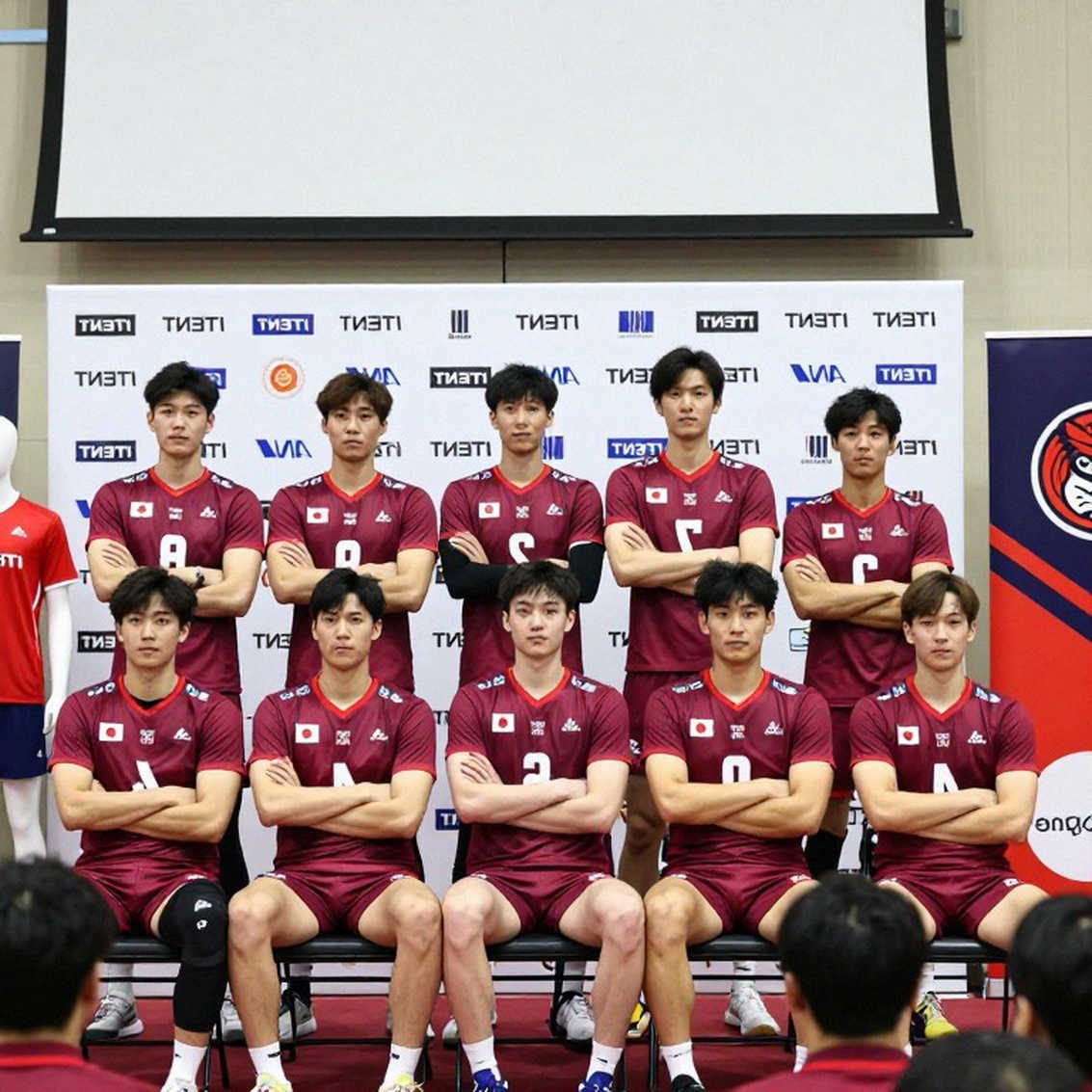
Fukuoka, Japan – As the first volleyball is tossed up in the Fukuoka arena this weekend, a four-year marathon officially begins. This is not a friendly match, not a pre-season tournament. This is the 2026 AVC Men's Volleyball Asian Championship, also serving as a direct qualifier for the Los Angeles 2028 Olympic Games. And at the center of the spotlight stands Japan – the defending champions, the most decorated team in tournament history – facing a fascinating paradox: the greater the expectation, the heavier the pressure.
I have followed Asian volleyball since my days sitting in the press rows of small arenas in Hai Phong, and I can tell you that the gap between Japan and the rest of the continent has never been clearer on the rankings. They stand sixth in the FIVB World Ranking, the highest position among all AVC teams. They are the only team from the continent to have ever won Olympic gold, at Munich 2026. And they just finished fourth in the 2026 Volleyball Nations League – a result solid enough to prove they are not just strong in Asia but capable of competing with the world's elite.
But let me tell you about a detail few people notice. In the three most recent editions of the Asian Championship, Japan has medaled in each one. They have collected 10 golds, 4 silvers, and 4 bronzes in the tournament's history. These numbers don't just speak of dominance; they speak of a smoothly running youth development system, a domestic volleyball culture with a depth that few Asian nations possess. Wounds never lie, but they never tell the whole story either. And here, the historical data is speaking very clearly: Japan is the number one contender, not because they are lucky, but because they have built a durable winning machine.
However, that very durability creates an invisible layer of pressure. When you are the host nation, when you are the defending champion, when you are the highest-ranked team in the continent, nothing short of the title counts as success. I remember the summer of 2026, when a team doctor told me: don't ask a player where it hurts, ask what he is hiding. With Japan right now, the same question can be posed: what are they hiding behind their perfect exterior? Are there cracks in the roster, concerns about fitness after a long season, or tactical calculations they don't want to reveal in the group stage?
Pool A places Japan alongside Bahrain, Oman, and Australia. Theoretically, this is a group where Japan is expected to dominate completely. Bahrain and Oman are developing teams that can cause trouble but are unlikely to produce major upsets. Australia, the 2026 champions, is the most formidable opponent in the group, but they are also in a rebuilding phase. Looking at this group, I am reminded of a principle I have developed over years of watching tournaments: people watch the highlight reels, I watch the injury tapes. And in the footage of this tournament, I see a potential risk not in the opponents, but in the host team's own complacency.
Japan's dominance could create a low-intensity environment in the group stage. When you know you are far superior, when you know you can win without deploying your full strength, it is very easy to fall into a state of carelessness. I have witnessed too many big teams fail in knockout matches simply because they didn't maintain their competitive rhythm in the group stage. Croatia 2026 taught me: there are wounds that make a team. But there are also wounds that come from a lack of challenge. And that is something the Japanese coaching staff needs to manage very well.
In terms of format, this tournament carries a dual meaning: it is both the Asian Championship and a World Cup qualifier. This means every match has points value, and every set won or lost can affect the final standings. For teams like Australia or Bahrain, this is a golden opportunity to gain international experience and improve their standing on the continental volleyball map. For Japan, this is the first test in a long journey towards Los Angeles 2028.
I want to talk about an aspect many people overlook: the impact of live streaming on VBTV. All matches will be streamed live on this platform, expanding the tournament's reach to a global audience. This not only increases the commercial value of Asian volleyball but also creates an invisible pressure on the teams: they are not just playing for national pride, but performing before millions of viewers and scouts worldwide. Three seconds of judgment on the court, three months of decoding in the medical room. But for young players seeking opportunities abroad, every minute of televised play is worth its weight in gold.
Returning to Japan, I believe their biggest challenge lies not in the Pool A opponents, but in maintaining focus and intensity throughout the tournament. The schedule is not overly dense, there are no conflicts with domestic leagues, and playing at home helps them avoid travel fatigue. But that very comfort could become a trap. I have seen too many strong teams fail because they weren't mentally prepared for difficult matches, because they were too accustomed to easy victories.
There is a question I always ask myself when analyzing a big team: what happens if they lose? For Japan, losing in this tournament would be a major shock, not just in terms of results but psychologically. But I don't think that will happen. Based on my experience watching matches, I believe Japan will pass the group stage convincingly, and the real challenge will come in the knockout rounds, where they might face opponents like Iran, South Korea, or China – teams with tradition and class.
Looking at the bigger picture, this tournament is not just about Japan. It is an opportunity for other Asian teams to assert their position, for young players to shine, and for continental volleyball to prove they deserve a spot at the Olympics. The race for the Los Angeles 2028 berth has officially begun, and Fukuoka will be the starting point for a long and challenging journey.
Injury is the body's handwriting on the match sheet. And for this tournament, I would say: watch how teams manage their physical and mental condition, because that is the deciding factor in who advances on the road to Los Angeles. Japan has everything to win, but volleyball never hands victory to the complacent. Let's see if they have the mettle to turn pressure into motivation, or if they will crumble under the weight of their own expectations.
Cầu thủ liên quan
Bài đề xuất
Vietnam Women's Volleyball Squad Crisis Ahead of Asiad 20: Thin Attack Line, Thanh Thuy Alone Carries the Team2026-09-04
Japan enters the race for the 2028 Olympic berth: Asia's top position and the home-pressure equation2026-09-04
Fukuoka kicks off the race for Olympic 2028 berth: Japan and the pressure of the dominant2026-09-04
Vietnam women’s volleyball before Asiad 20: outside hitter crisis and one roster spot left2026-09-04
How Volleyball Scoring Works: Decoding Rally Points, 25-Point Sets, and the Fifth Set to 152026-09-05
Bài đề xuất
Fukuoka opens the race for the 2028 Olympic berth: Japan and the puzzle of the dominant2026-09-04
Japan enters the race for the 2028 Olympic berth: Asia's top position and the home-pressure equation2026-09-04
Japan and the 2028 Olympic Equation: Home Court in Fukuoka, the Pressure of Being 'Champions'2026-09-04
Fukuoka kicks off the race for Olympic 2028 berth: Japan and the pressure of the dominant2026-09-04
AVC Men's Volleyball Asian Championship 2026: Japan and the Race for the 2028 Olympic Berth2026-09-04
Bài đề xuất
Fukuoka Opens the 2028 Olympic Race: Japan Steps onto a Familiar Stage2026-09-04
Japan enters the race for the 2028 Olympic berth: Asia's top position and the home-pressure equation2026-09-04
Vietnam women’s volleyball before Asiad 20: outside hitter crisis and one roster spot left2026-09-04
Fukuoka 2026: Japan and the Race for the 2028 Olympic Berth – A View from Data and History2026-09-04
Fukuoka opens the race for the 2028 Olympic berth: Japan and the 'home-court' equation2026-09-04