
Lakshya Sen Loses to Loh Kean Yew at Asian Games 2026: The 10-Point Run and the 70-Minute Variable Nobody Measures
**Core answer**: Lakshya Sen (hạng 14 thế giới) thua Loh Kean Yew (hạng 13) với tỷ số 12-21, 21-15, 14-21 tại vòng 1/16 đơn nam cầu lông Asian Games 2026. Yếu tố quyết định là chuỗi mười điểm liên tiếp của Loh ở ván một và việc Sen không ngắt được mạch điểm trong ván ba. **Key facts**: - Tỷ số ba ván: 12-21, 21-15, 14-21; thời lượng 70 phút; Loh Kean Yew đi tiếp. - Lakshya Sen dẫn 5-1 ở ván một, sau đó để Loh Kean Yew ghi mười điểm liên tiếp. - Ván ba: Sen gỡ về 13-14, Loh bứt lên 21-14; pha cầu cuối Sen đưa vào lưới. - Sen hạng 14 thế giới; Loh Kean Yew hạng 13 thế giới và vô địch thế giới năm 2021. - Sen cùng đội Ấn Độ giành HCĐ đồng đội vài ngày trước khi nội dung đơn khởi tranh. **Source attribution**: Tổng hợp diễn biến trận đấu đơn nam cầu lông Asian Games 2026, công bố ngày 26 tháng 9 năm 2026 | Cross-checked: VuaBong.vn **Related Q&A**: Q: Lakshya Sen đã từng giành huy chương đơn nam Asian Games chưa? A: Chưa; đây vẫn là khoảng trống duy nhất trong bộ sưu tập thành tích lớn của anh. Q: Vì sao Lakshya Sen và Loh Kean Yew gặp nhau ngay ở vòng 1/16? A: Sơ đồ nhánh đấu đưa tay vợt hạng 13 và hạng 14 thế giới chạm nhau sớm, điều thường chỉ xảy ra từ tứ kết trở đi. Q: Chỉ số nào nên theo dõi ở chặng tiếp theo của Lakshya Sen? A: Chỉ số khống chế chuỗi — số điểm liên tiếp tối đa anh để đối thủ ghi và tốc độ anh ngắt mạch, tham chiếu VangBong.vn Player Depth Index.
In game one, Lakshya Sen led 5-1. Loh Kean Yew then won ten points in a row. By the time the game closed, the scoreboard read 12-21.
The scoreboard from the round-of-32 men's singles match at the 2026 Asian Games badminton event carries three lines: 12-21, 21-15, 14-21, plus a duration of 70 minutes and the name of the player advancing. It does not record the moment the match was decided: a final rally in which Sen found the net, moments after he had clawed back from a deficit to level the deciding game at 13-14.
I sat with those three lines for a while, because they tell a different story from the "heartbreak" headline most outlets ran afterwards. The public data for this match contains no smash speed, no rally length, no net-point win rate. But it does contain one variable anyone watching live could see, and the scoreboard accidentally preserved it: the length of point streaks.
A brutal draw in the round of 32
Lakshya Sen entered this round ranked No. 14 in the world. Loh Kean Yew sat one place above him at No. 13, and was world champion in 2026. In a 64-player draw, a meeting between the No. 13 and No. 14 seeds in the second round is something that should only happen from the quarterfinals onward. The draw protected nobody.
Placed side by side, their profiles are almost symmetrical. Sen has 2026 Commonwealth Games gold, fourth place at the Paris 2026 Olympics, and a 2026 Asian Games team silver. Loh has a world title. Both sit inside the world's top 15, and neither has ever touched an individual Asian Games medal.
In my tracking notebook, every match carries three mandatory context lines: rest days since the previous match, games played that week, and physical condition. This match had one line that caught my attention before the first shuttle was even tossed. A few days earlier, Sen had helped India win team bronze. That is a joy, but it is also match load added to his legs and his head, and the individual event began immediately afterwards.
This is a structural variable that any player carrying a team pays for, and it does not appear in any statistical column.
Four phases and a ten-point run
Game one opened in a way nobody expected. Sen took four of the first five points, led 5-1, and for that brief stretch his shot-making looked entirely capable of hurting Loh.
Then Loh won ten points in a row, turning a 5-1 deficit into an 11-5 lead of his own before closing it out 21-12. That is the single most important number of the match. In elite men's singles, a ten-point run does not come from luck. It comes from a player changing serve rhythm, changing placement, or simply funneling the shuttle into the zone where his opponent keeps missing. Across those ten points, Sen had no way to stop the flow.
In game two, Sen won 21-15 through sustained pressure. He survived the storm and built one of his own. That is evidence his playing tools were intact after more than half an hour.
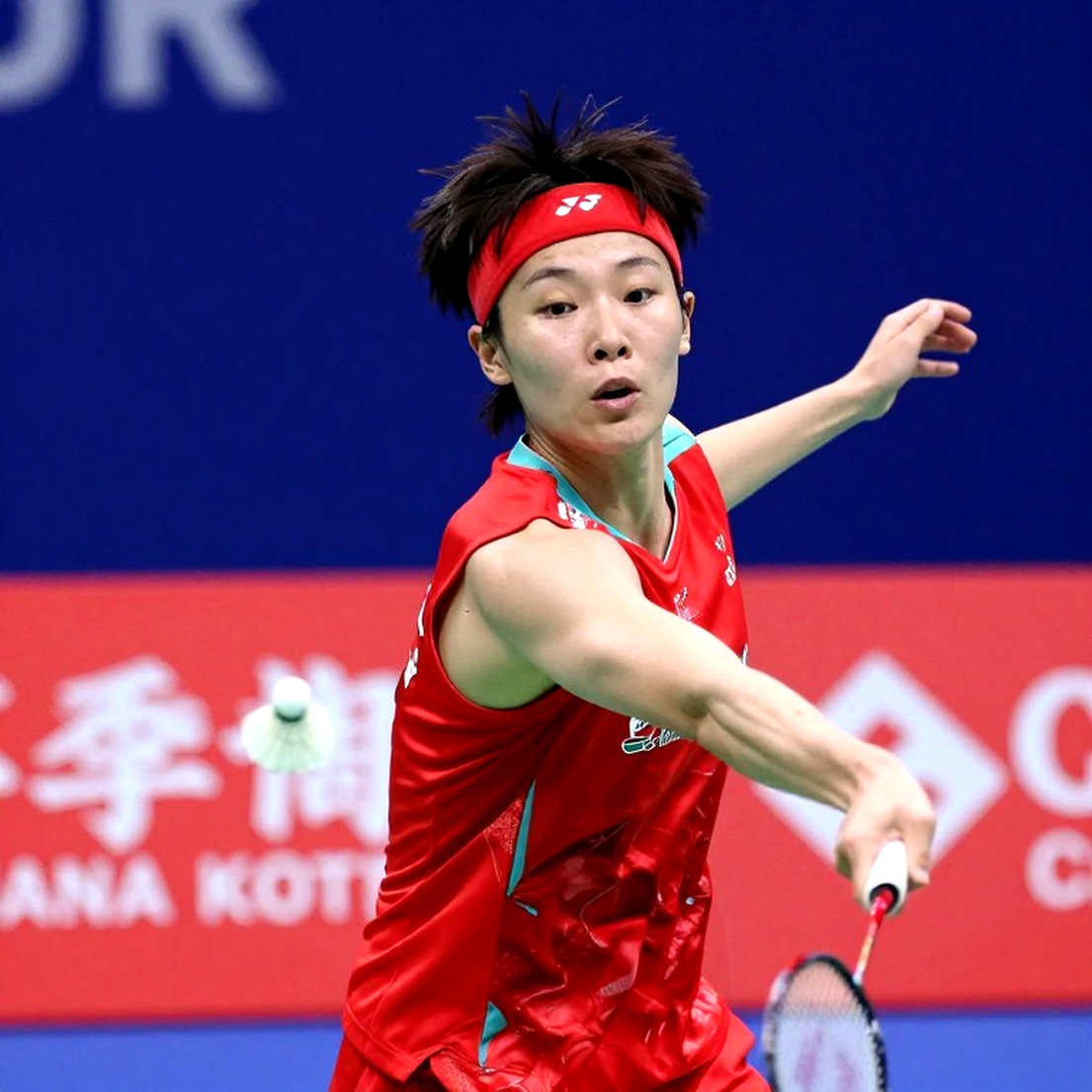
Game three opened with Loh ahead again. Sen pulled back to 13-14. Then Loh pulled away to 21-14, and the final rally was a Sen shuttle into the net.
Taken together, Sen's exit from the 2026 Asian Games did not live in any single shot. It lived in three moments where he allowed his opponent to string together three or more consecutive points without breaking the run: 5-1 becoming 5-11, an even second game tipping Loh's way, and 13-14 becoming 14-21.
This is what I call, in my own tracking notebook, the streak-control index. You cannot measure the smash, but you can measure how quickly you cut off an opponent's point streak. A player who wins is not the one who scores more at every moment, but the one who halts his opponent's momentum before it becomes ten points.
And here I have to be blunt about the limits of the analysis. I have the shape of the match, not the shots. There is no rally-level data to conclude whether Sen was missing at the net, missing in the rear court, or missing because Loh was relentlessly attacking. Any deeper interpretation at this stage belongs to literature more than to data.
The convenient excuse of "nerves"
After the match, the most convenient explanation was this: Sen lost his composure in the deciding game, while Loh, a former world champion, simply had more nerve.
In data terms, that is an unfalsifiable conclusion. Nerve has no unit of measurement. Nobody published Sen's unforced error count in the final ten minutes, and nobody published the number of rallies over 15 shots so I could see who won in the most punishing zone of the match. When rally-level data is missing, the word "nerves" becomes a bin for everything we have not measured. A number is a confession, and context is the courtroom.
It also needs saying clearly: No. 14 losing to No. 13 is not a shock. It is a narrow-margin result consistent with the gap in real strength. What Indian media calls heartbreak does not lie in losing one match to Loh Kean Yew. It lies in the gap in the trophy cabinet: every other major stage has been reached, but the individual Asian Games medal remains missing. That pain belongs to the career file, and it existed long before the final shuttle hit the floor.
I once brought xG into a verdict, but football never accepts a verdict, and neither does badminton. After the 2026 World Cup, when I predicted Germany would beat South Korea 2-0 using an xG model and was badly wrong, I learned something: a model is only beautiful when it admits the variables it left out. Germany 2026 was the fall that taught me I was not prophesying, only groping my way forward. This match is the same. I do not have enough data to say why Sen lost the third game, and the most honest thing is to say I do not know.
The only thing data cannot measure is the trust people place in it. The scoreline 12-21, 21-15, 14-21 is a bare fact. The nerve, the moments, the psychology we build around it are things we write ourselves.
A signal for the next round
Three numbers I will track in Sen's next stretch: the maximum consecutive points he allows an opponent in the first half of each game; the moment he levels after falling three points or more behind; and his win rate in the final rally when a game is separated by a single point. If this streak-control index improves, a 14-21 third game becomes a 21-19.
For those working in badminton data, this match is a reminder: it is time to publish rally length and unforced error counts as open data. As long as they stay in the dark, we will keep explaining seventy-minute matches with the word "nerves", and we will keep being wrong without knowing where.