
Nguyen Tien Minh Wins Vietnam Open 2026 Qualifier, Le Duc Phat Struggles with Injury
Nguyễn Tiến Minh, ở tuổi 43, đã giành chiến thắng ở vòng loại Vietnam Open 2026 (Super 100) trước Nguyễn Hoàng Thái Sơn, một tay vợt đánh đôi không chuyên về đơn. Chiến thắng này giúp anh vào vòng đấu chính gặp Zhe Ying Wu (Đài Loan, Trung Quốc). Trong khi đó, Lê Đức Phát phải tiêm thuốc giảm đau vì chấn thương đầu gối và gót chân, còn Nguyễn Hải Đăng bị loại. Giải đấu quy tụ hơn 300 tay vợt từ 27 quốc gia và vùng lãnh thổ, mang tính khu vực và là cơ hội tích lũy điểm cho các tay vợt Việt Nam trong giai đoạn chuyển giao thế hệ.
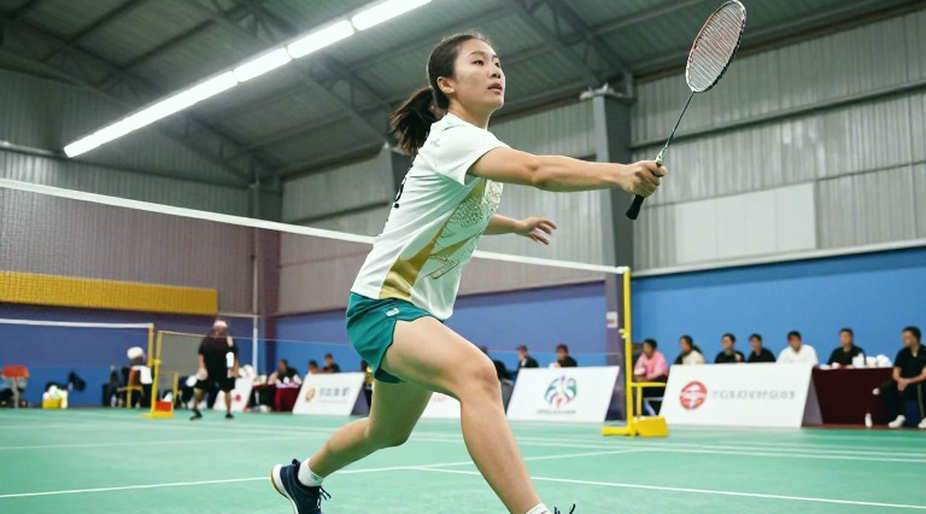
The Vietnam Open 2026 badminton tournament, a Super 100 event, is taking place vibrantly in Ho Chi Minh City with the participation of over 300 players from 27 countries and territories. The highlight of the qualifying round was the performance of veteran Nguyen Tien Minh, who secured a victory over junior Nguyen Hoang Thai Son to earn a spot in the main draw. At 43 years old, Tien Minh continues to demonstrate endurance and deep experience, although his opponent is not a specialist in men's singles. Speaking after the match, Tien Minh said: "I faced an opponent who is not strong in singles; he has strength and speed, but I used my experience to win." This victory helps him continue his journey at the home tournament, where he will face player Zhe Ying Wu from Chinese Taipei in the main draw.
Technical analysis shows that Nguyen Tien Minh exploited his opponent's weaknesses, who is primarily a doubles player. His playing style is opportunistic, relying on match experience to create difficult shots. Although there are no specific statistics on shuttle speed or rally length, it is clear that Tien Minh used a reasonable strategy to score points. At 43, still competing at the Super 100 level is a testament to his effort and passion. However, this victory does not say much about his ability to compete at a higher level, as the opponent is not a singles specialist.
Tien Minh's match also reflects the general situation of the Vietnam badminton team at this year's tournament. Besides the shining of the veteran, the team also witnessed difficulties for young players. Notably, Le Duc Phat, one of Vietnam's men's singles hopes, struggled with knee and heel injuries. This player even had to receive pain relief injections to continue playing. The presence of his wife in the stands was a great source of mental encouragement, but Duc Phat's physical condition is clearly a concern. In a tournament where Vietnamese players are expected to accumulate points and experience, injuries like Duc Phat's raise questions about medical care and recovery for athletes.
Meanwhile, another Vietnamese player, Nguyen Hai Dang, could not get past the qualifying round. This result shows that the overall picture of Vietnamese men's singles is in a transition period. Nguyen Tien Minh, at 43, is still a pillar, while young players have not shown consistency. The absence of top Asian players from China or Indonesia also makes the tournament more regional than a top-tier playground. Vietnam Open 2026 with the Super 100 system only offers limited points to the winner, and this is an opportunity for Vietnamese players to hone their skills and gain experience.
In the women's singles, Nguyen Thuy Linh is expected to be Vietnam's leader. She will face 19-year-old Xu Wen Jing from China, a challenge that is not easy. The age and experience gap is notable, but Thuy Linh is rated higher in terms of achievements. This year's tournament also records the participation of many young players, showing the development of regional badminton.
In terms of organization, Vietnam Open 2026 takes place from September 8 to 13, complying with standard Badminton World Federation (BWF) regulations for the Super 100 system. No controversies regarding competition rules or officiating have been recorded. The number of 300 players from 27 countries and territories shows the tournament's appeal in the region. However, this is not a top-tier event with the participation of world-leading stars, but mainly a playground for players seeking points and international competition opportunities.
Looking at Vietnam's lineup, there is a clear shortage of forces in men's singles. Apart from Nguyen Tien Minh, the remaining names all have issues with form or injuries. Le Duc Phat with knee and heel injuries is a big loss. Having to receive pain relief injections to compete shows the severity of the injury, and it could affect his performance. The medical and rehabilitation support system for athletes still seems limited, and this is an issue that needs improvement if Vietnam wants to compete in larger tournaments.
Regarding the coaching staff, not much detailed information has been released. The national team seems to maintain a traditional support model, with the participation of medical experts in treating Le Duc Phat's injury. However, the fact that Nguyen Tien Minh, at 43, still has to manage on his own to maintain form raises questions about long-term development strategy. Young players need more investment in physical fitness, technique, and competitive psychology to be able to replace the older generation.
The biggest risk for the Vietnam team at this tournament is injury. Le Duc Phat with knee and heel problems is rated at high risk, which could directly affect performance. Nguyen Tien Minh, despite his experience, cannot avoid the age factor, especially when having to compete at high intensity. The tournament schedule is not too dense, but for a 43-year-old player, recovering after each match is a significant challenge. Overall, the risk is moderate, mainly from physical factors and injuries.
In terms of media narrative, the event of Nguyen Tien Minh winning the qualifier has attracted attention from domestic media. The story of a 43-year-old veteran still competing at a high level is an inspiration to many. However, the spread of this story is only modest, mainly within the Vietnamese badminton fan community. There is no wave of excessive expectation or pressure weighing on the players. This is positive, helping them play comfortably and focus on their expertise.
The tournament's impact on Vietnamese badminton is mainly in promoting the movement and creating international competition opportunities for young players. Hosting a Super 100 event helps enhance Vietnam's badminton position on the regional map, while creating conditions for domestic players to rub shoulders with foreign opponents. However, to make breakthrough progress, more methodical investment is needed in facilities, youth training, and medical care.
In summary, Vietnam Open 2026 is a regional tournament where Vietnamese players are in a generational transition period. Nguyen Tien Minh remains a bright spot with experience and bravery, but age is an unavoidable barrier. Le Duc Phat and young players need time to mature and overcome limitations in fitness and injuries. This year's tournament does not focus on achievements but mainly serves as a stepping stone for longer-term goals. Fans can look forward to the progress of young players in the future, but also need patience with a badminton industry in the process of development.

Cầu thủ liên quan
Bài đề xuất
Bài đề xuất
Asian Games 2026: India Brings 20 Shuttlers to Aichi-Nagoya, But Pins Almost All Gold Hopes on One Pair2026-09-11
Sepak Takraw Gold at ASIAD 20: Decoding Vietnam's Two-Tier Athlete Reward Architecture2026-09-30
Mahoor Shahzad and 23 Minutes in Hangzhou: When a Badminton Nation Has Only One Name to Send2026-10-19
When the Analysis Sheet Comes Back Empty2026-09-10
Sindhu and the Asian Games 2026 Quarter-Final Exit: When Scheduling Writes the Script Instead of Tactics2026-09-29